Otoplastyin Scottsdale, Arizona
Having protruding ears can significantly impact on your self-esteem and quality of life. From childhood through adulthood, those with prominent ears may experience feelings of self-consciousness and insecurity about their appearance. When you want a more balanced-looking facial appearance, otoplasty in Scottsdale can help.
Living With Protruding Ears
Patients with protruding, misshapen, disproportionate, or asymmetric ears can experience psychological distress. The emotional toll of protruding ears can manifest in various ways, including:
- Social anxiety
- Lowered confidence
- Teasing and bullying
- Avoiding certain hairstyles
- Covering your ears with hats
Additionally, sports and physical activities may pose risks of injury to your ears. These challenges, and others, can prevent you from fully engaging in activities you enjoy and living the lifestyle you want.
Addressing protruding ears through otoplasty in Scottsdale can enhance your physical appearance, offer you emotional relief and renewed confidence, and empower you to live fully and authentically.
Before & after
Otoplasty before & after
Actual patients of Dr. Stutman
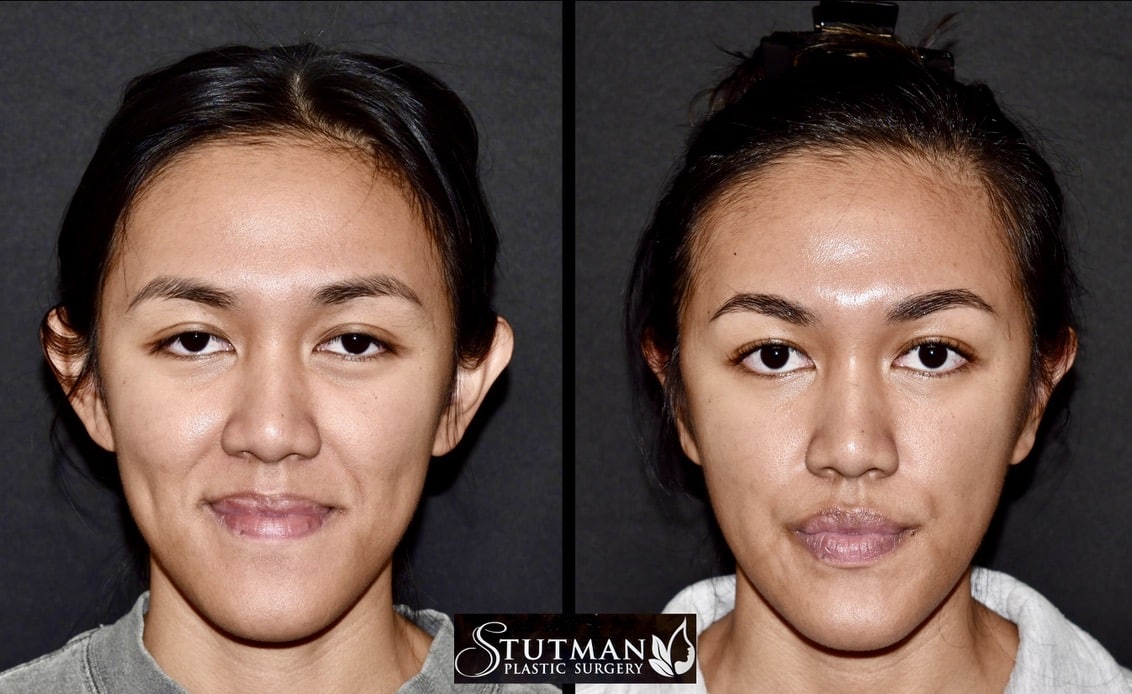
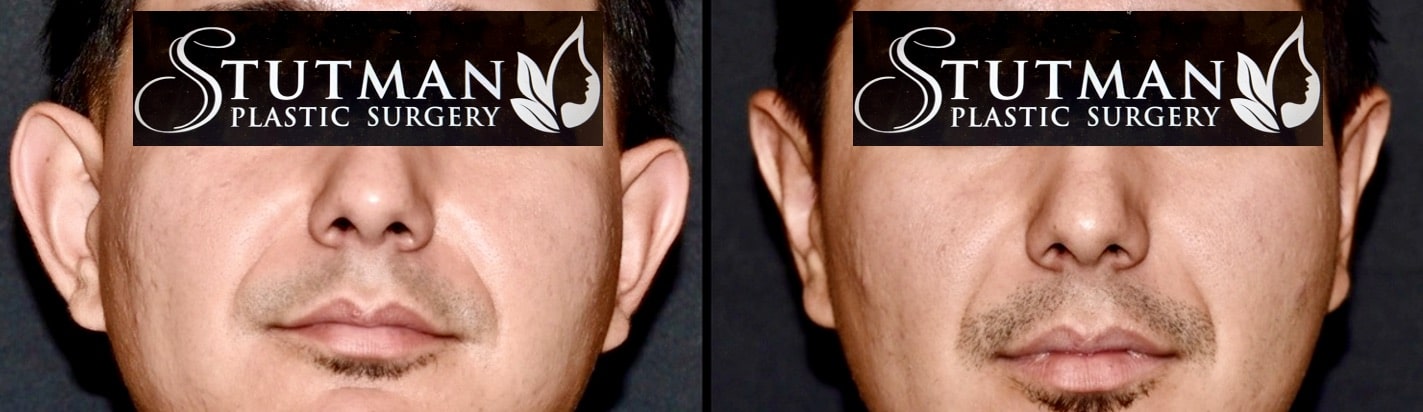
Individual results may vary.
View the galleryWhat Is Otoplasty?
Otoplasty, also known as ear pinning surgery, rebalances the look of the face by pinning protruding ears back permanently.
Your otoplasty procedure will take place under the care of Dr. Stutman. He will make an incision behind the ear, which allows access to the cartilage. Depending on your goals, he may reshape, trim, or fold the cartilage to achieve the desired ear position and appearance. Once the necessary adjustments are made, the incisions are carefully closed with sutures, and a bandage is applied to protect the ears during the initial healing phase. Dr. Stutman will make every effort to ensure that your incisions are carefully concealed as best as possible.
The otoplasty procedure will last about one to two hours. Most patients can resume normal activities within a few days to a week. However, you should avoid strenuous activities, gym workouts, and contact sports for several weeks to optimize your healing.
With otoplasty in Scottsdale, patients typically see noticeable improvements in the appearance of their ears immediately after surgery. Your results will become even more apparent at the end of your healing period. Regular follow-up appointments are essential to monitor progress and ensure optimal healing. Since this is a permanent procedure, your results will last forever.



Why patients choose Dr. Stutman for otoplasty
- Board certified
- Certified by the American Board of Plastic Surgery and a member of the American Society of Plastic Surgeons.
- Fellowship trained
- Oculoplastic and aesthetic surgery fellowship with Dr. Mark Codner in Atlanta.
- Published research
- Peer-reviewed research in aesthetic and reconstructive plastic surgery, indexed in PubMed.
- One surgeon throughout
- Dr. Stutman sees you at consultation, performs your procedure and follows your recovery.
Otoplasty
FAQs
What is the best age for ear pinning surgery?
Ear pinning can be done once the ears have grown close to their adult size, which happens in early childhood, and it can be done at any point after that. Many families choose surgery before or early in the school years. There is no upper age limit, and adults who have felt self-conscious for years are also common candidates.
Is otoplasty permanent, or can my ears go back?
Otoplasty is intended to be a permanent change, because the ear cartilage is reshaped and held with sutures. A small amount of the ear moving back toward its original position can happen in some patients, and the risk is somewhat higher in adults. Protecting your ears while they heal gives the new shape the best chance to hold.
Does otoplasty leave a scar?
Otoplasty leaves a scar, but it sits behind the ear where it is very hard to see. The incision is made in the crease where the back of the ear meets the head, and the cartilage is reshaped through that opening. As the scar matures, it usually becomes a thin line hidden by the ear itself.
Does otoplasty hurt?
Most people describe otoplasty recovery as achy and tender rather than severely painful. You are numb or asleep during the procedure, so you will not feel the surgery. Afterward, the ears may throb, feel sore, and be sensitive to touch. Prescribed or over-the-counter pain medicine usually keeps discomfort manageable while early swelling settles.
What are the risks of otoplasty?
Otoplasty risks include bleeding under the skin, infection of the skin or cartilage, the ears healing unevenly, the ears moving partway back, visible stitches behind the ear, changes in skin feeling, and the risks of anesthesia. Serious complications are uncommon. Attending your follow-up appointments lets problems be found and treated early.
Is Dr. Stutman board certified to perform otoplasty?
Yes. Dr. Stutman is certified by the American Board of Plastic Surgery and is a member of the American Society of Plastic Surgeons. Board certification requires accredited plastic surgery training and passing comprehensive exams. Reshaping ear cartilage is part of that training, which covers cosmetic and reconstructive surgery of the face and ears.
How does Dr. Stutman reshape the ears during otoplasty?
Dr. Stutman makes an incision behind the ear to reach the cartilage. Depending on your goals, he reshapes, trims, or folds the cartilage so the ear sits closer to the head, then closes the incision with sutures. He works to keep the incisions as concealed as possible, and a bandage protects your ears during initial healing.

Consultation
Begin with a conversation
Your consultation is a private conversation with Dr. Stutman about your goals, your questions, and the options that suit you.
(602) 853-4646Contact pageRequest a consultation
Tell us a little about what you are considering and our team will call you to arrange your visit.
Request a ConsultationPrefer to talk? Call (602) 853-4646