A breast lift (mastopexy) repositions the breast and nipple by removing stretched skin, but it does not add meaningful volume. If you are happy with your size and bothered mainly by sagging, a lift alone may fit. If you also want more fullness, or the upper breast looks empty, a lift with implants is the combination surgeons usually discuss.
Last updated: November 2, 2026. General education only, not a diagnosis or treatment plan.
Key Takeaways
- A lift changes shape and position. It does not significantly change breast size or round out the upper breast.[5]
- Implants add volume but do not remove stretched skin, so some people need both operations to reach their goal.
- Combining the two procedures raises the complexity. In a 73,608-patient insurance cohort, augmentation-mastopexy had a higher risk of infection than a single breast procedure (relative risk 1.74).[3]
- A pooled review of 4,856 combined cases found a 10.7% reoperation rate, and the most common problem was recurrent sagging.[1]
- Your skin, nipple position, goals and plans for pregnancy or weight change decide the answer, and that takes an in-person exam.
What does a breast lift change, and what does it leave alone?
A breast lift raises the breast by removing excess skin and tightening the surrounding tissue, and it can reduce an enlarged areola. The American Society of Plastic Surgeons states it does not significantly change breast size or fill the upper part of the breast.[5] It is a shape-and-position operation.
Breast shape shifts over time because of pregnancy, breastfeeding, weight changes, aging, gravity and heredity.[5] The skin stretches, the breast tissue settles lower, and the nipple can point downward. A lift addresses the skin and position. It cannot stop those forces from continuing afterward.
Because skin is removed, some people notice a small drop in size. Others feel the lifted breast looks fuller because the shape is firmer and more compact. Both reactions are common, and neither is a prediction for any one person.
What do implants add that a lift cannot?
Implants add volume and upper-breast fullness. They do not remove loose skin. A large implant placed in a stretched skin envelope can leave the nipple pointing low, which is why surgeons assess whether the skin will hold the new volume before choosing an implant alone.
At Stutman Plastic Surgery, breast augmentation uses silicone gel implants only, with no saline option offered. Implant choice is a separate decision, covered in our guide to the different types of breast implants. The FDA notes that implants are not lifetime devices, that more than one reoperation over a lifetime is possible, and that the chance of complications rises the longer implants stay in place.[4] That long-term commitment is part of the comparison below.
Lift only, implants only, or both: how do the options compare?
The table sets out what each route is designed to do and where it falls short. It is a planning aid for the consultation, not a way to self-select a procedure.
| Your main concern | Option usually discussed | What it does | What it does not do |
|---|---|---|---|
| Sagging or a low nipple, and you like your size | Breast lift alone | Removes stretched skin, raises the breast and nipple, can reduce the areola[5] | Does not add volume or fill the upper breast[5] |
| Small or deflated breasts with little sagging | Implants alone | Adds volume and fullness | Does not remove excess skin or move a low nipple |
| Sagging and a wish for more fullness | Lift with implants | Addresses skin, position and volume in a single plan | Carries the risks of both operations; pooled reoperation rate was 10.7% in one review[1][3] |
| Want volume but prefer your own tissue | Lift with fat transfer (discussed individually) | Uses your own fat for added fullness | Fat volume can vary after surgery, so amounts are not guaranteed |
How do you know if you need a lift, implants, or both?
The deciding factors are where the nipple sits relative to the fold under the breast, how much skin is loose, and how much volume you want. A surgeon assesses these in person. No photo or quiz can settle it, though the list below shows what usually matters.
- Nipple position. A nipple that sits at or below the breast fold usually points toward a lift, with or without implants.
- Skin quality. Loose, stretched skin does not tighten around an implant by itself.
- Volume goal. If you want a noticeably larger or fuller breast, implants or fat transfer enter the discussion.
- Upper breast fullness. A lift does not round out an empty upper breast.[5]
- Future plans. Pregnancy and large weight changes can alter either result, so timing matters.
The practice’s own augmentation with lift page includes a question on how to tell whether you need a lift with your implants. You can also read how pregnancy affects the decision in our article on breast augmentation after pregnancy.
What does the evidence say about a lift without implants?
A 2019 systematic review of 34 studies and 1,888 patients found nonimplant mastopexy generally reliable, with an overall complication rate of 10.4%. The most common issues were scar-related problems (3%) and nipple-areola problems such as distortion, asymmetry or reduced sensation (2.9%).[2] Unsatisfactory breast shape accounted for 1.3% of patients.
These figures come from studies published between 1980 and 2016 using several different techniques, so they describe a broad average, not a rate for a specific surgeon or technique. The authors also said scars, asymmetry and the possible return of sagging should be part of patient counseling.[2]
A 2026 systematic review of patient-reported outcomes covered 10 studies and 510 patients and concluded that mastopexy leads to higher satisfaction and quality of life. The authors noted that inconsistent reporting across studies limited the analysis, and the publication fee was funded by a device company.[6]
What does the evidence say about a lift combined with implants?
A 2014 review pooled 23 studies and 4,856 single-stage augmentation-mastopexy cases. The pooled complication rate was 13.1%, and the reoperation rate was 10.7%. Recurrent ptosis (sagging) was the most common individual problem at 5.2%, followed by poor scarring at 3.7%, capsular contracture at 3.0% and tissue-related asymmetry at 2.9%.[1]
Follow-up was under one year in most of those studies, and the authors described high variation in techniques and definitions. They concluded that with careful patient selection the rates are acceptably low.[1]
A larger comparison comes from a prospective insurance cohort of 73,608 patients undergoing aesthetic breast surgery from 2008 to 2013. Overall, major complications within 30 days occurred in 1.46% of patients. Augmentation-mastopexy had a higher risk than single breast procedures, particularly infection (relative risk 1.74).[3] Absolute risk stayed low, and that study measured only the first 30 days.
The practical reading: combining the operations is a reasonable and common choice, but it asks the surgery to do two opposing jobs at once, adding volume while shrinking the skin envelope. That is why careful selection matters more here than in either procedure alone.
Which lift technique might be used?
The incision pattern depends on how much lifting and skin removal is needed. Dr. Stutman offers three: the Wise pattern (anchor or inverted-T scar), the vertical lift (lollipop scar) and the periareolar lift (scar around the areola). The practice states that not every pattern suits every patient and that the technique is chosen at the consultation based on anatomy and the degree of correction needed.
In general, smaller lifts leave less scar but can only correct mild sagging, while more sagging needs more skin removal. Ask which pattern is planned for you and what that means for scar length and long-term shape.
What is recovery like for a lift?
The practice reports that you spend a few hours at the surgery center and go home the same day, with someone to drive you and stay overnight. Most people move around more easily within the first 7 to 10 days, but full recovery takes about six weeks. The practice advises no heavy lifting for three weeks and no underwire bra for six weeks.
That timeline comes from the practice’s lift page. The page does not give a separate schedule for a lift combined with implants, so ask for that at your consultation instead of assuming it is identical.
Can I decide based on cost?
Cost alone is a poor guide, because the two operations are not interchangeable. Stutman Plastic Surgery publishes a starting price for breast augmentation ($8,500) but does not publish pricing for a breast lift or for augmentation with lift, so those quotes come after an exam. Ask what the quote includes, such as facility, anesthesia and follow-up visits, and whether any needed revision is covered.
What are the common risks of each route?
Breast lift risks listed by the practice include bleeding or hematoma, infection, fluid accumulation, delayed wound healing, changes in breast or nipple sensation, noticeable scarring, blood clots and anesthesia risks. Perfect symmetry is not achievable, and a lift does not treat extra tissue at the side of the breast under the arm, so some patients also request liposuction there.
Implants add their own list, including capsular contracture, rupture, malposition, rippling and the need for future surgery.[4] In the large insurance cohort, increasing age and higher body mass index were risk factors for infection after aesthetic breast surgery.[3] If you are planning large weight loss, the practice may recommend reaching and holding your target weight first, since weight swings can change a lift result.
Frequently Asked Questions
Will a breast lift make my breasts smaller?
Not significantly.[5] The practice notes a small decrease is possible because skin is removed, and some people feel the breasts look smaller while others feel they look fuller, since the shape becomes firmer.
Can I get a lift and implants at the same time?
Yes, this is commonly done in a single operation. Pooled data show a 13.1% complication rate and a 10.7% reoperation rate, so ask your surgeon how the plan is tailored to your anatomy.[1]
Do the results of a breast lift last forever?
No. Gravity, aging, pregnancy and weight changes continue to act on the breast, and recurrent sagging was the most common issue in the combined-surgery review.[1] Long-term shape varies from person to person.
Do I need a lift if I just want implants?
Only if sagging is significant enough that an implant alone would leave the nipple low or the skin loose. An exam is the only reliable way to tell.
How long should I wait after pregnancy or weight loss?
The practice advises reaching and maintaining your target weight before a lift. There is no single waiting period that applies to everyone, so raise your plans for breastfeeding and future pregnancies at the consultation.
Next steps in Scottsdale
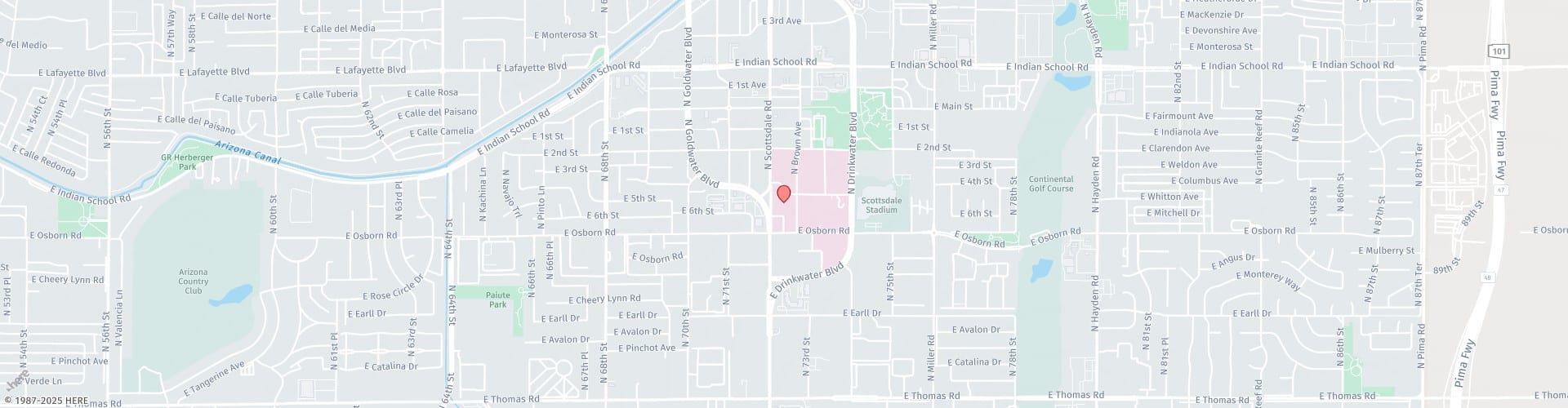
If you are weighing a lift against a lift with implants, an in-person evaluation lets a surgeon measure nipple position, skin quality and volume, then explain which options fit. Start with the breast lift page, then request an appointment online or call (602) 853-4646 to schedule a consultation with Dr. Ross Stutman at Stutman Plastic Surgery in Scottsdale. If you already have implants and are unhappy with how they sit, see our article on breast revision.
References
- Khavanin N, Jordan SW, Rambachan A, Kim JYS. A systematic review of single-stage augmentation-mastopexy. Plast Reconstr Surg. 2014;134(5):922-931. doi:10.1097/PRS.0000000000000582 (PubMed: 25347628)
- di Summa PG, Oranges CM, Watfa W, et al. Systematic review of outcomes and complications in nonimplant-based mastopexy surgery. J Plast Reconstr Aesthet Surg. 2019;72(2):243-272. doi:10.1016/j.bjps.2018.10.018 (PubMed: 30527707)
- Gupta V, Yeslev M, Winocour J, et al. Aesthetic breast surgery and concomitant procedures: incidence and risk factors for major complications in 73,608 cases. Aesthet Surg J. 2017;37(5):515-527. doi:10.1093/asj/sjw238 (PubMed: 28333172)
- U.S. Food and Drug Administration. Risks and Complications of Breast Implants. fda.gov/medical-devices/breast-implants/risks-and-complications-breast-implants. Accessed November 2, 2026.
- American Society of Plastic Surgeons. Breast Lift (patient information page). plasticsurgery.org/cosmetic-procedures/breast-lift. Accessed November 2, 2026.
- Weale R, Sahai D, Symonette C, Javed MU. Systematic review of patient satisfaction following mastopexy surgery. Plast Reconstr Surg Glob Open. 2026;14(2):e7480. doi:10.1097/GOX.0000000000007480 (PubMed: 41710190)