Blepharoplasty Preparation and Surgeryin Scottsdale, Arizona
Excess fat deposits and loose skin can occur anywhere on the body, including the upper and lower eyelids. We encourage you to call our office today and schedule your consultation to discuss blepharoplasty preparation and surgery in Scottsdale.
How to Prepare for Blepharoplasty
Preparation for blepharoplasty surgery in Scottsdale begins as soon as your surgery is scheduled.
The quality and health of your skin play a role in how well it heals after surgery. Practice good skin care, including wearing SPF 30 sunscreen or greater when outside and using quality skin care products and moisturizer daily. Proper skin care will also be important to maintain your results, so get in the habit now.
Nicotine and smoking impair healing and increase your risk for complications, including infection. If you smoke, you must stop six weeks before and after surgery. This includes any nicotine products, including cigarettes, chewing tobacco, vaping, and nicotine gum and patches.
Although blepharoplasty surgery is an outpatient procedure, you will not be able to drive yourself home. Arrange for a trusted friend or family member to drive you and stay with you for the first 24 to 48 hours. Schedule your time off work and be sure you have help for childcare, housework, shopping, driving, and pet care for the first week after surgery. Share your schedule for the first week with trusted friends and family members.
In the weeks before surgery, practice good hygiene and health practices to lower your risk of getting a cold or infection that can postpone your surgery. A healthy lifestyle also supports skin healing after surgery. This includes eating a highly nutritious diet, getting plenty of quality sleep, and exercising each day.
Fill your prescriptions for any necessary pain medication, antibiotics, or other prescription medications you are on. Being fully prepared to rest and relax on the days following surgery can make your recovery go more smoothly.
Finally, find your comfort zone in your home. Choose a place where you can rest quietly with your head elevated. Keeping your head elevated, even while sleeping, can help reduce swelling and speed healing. You don’t want to be testing pillows and chairs on the day you have surgery.
Before & after
Blepharoplasty Preparation and Surgery before & after
Actual patients of Dr. Stutman
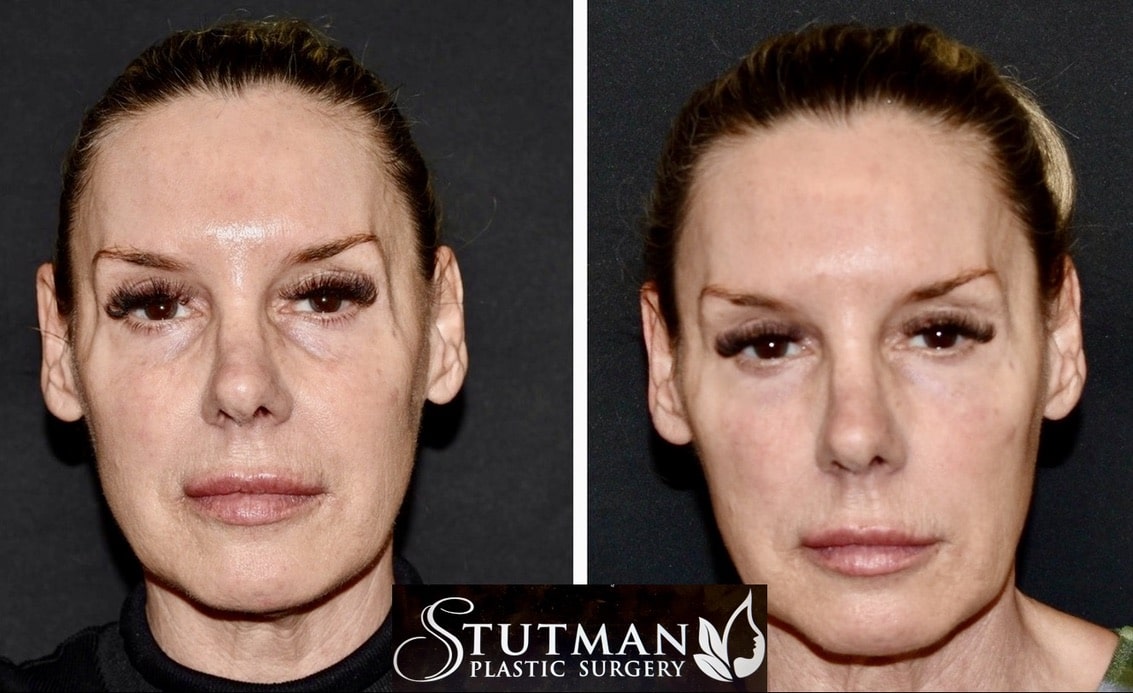
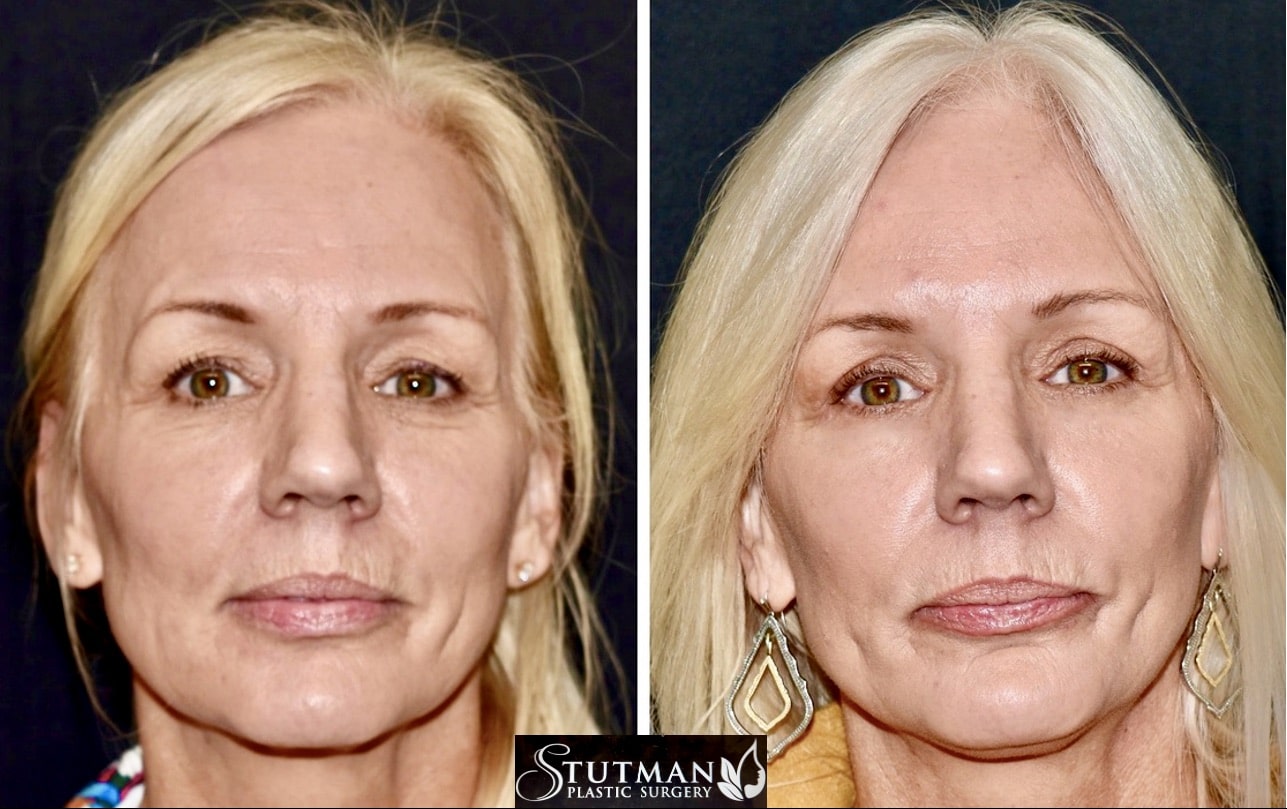
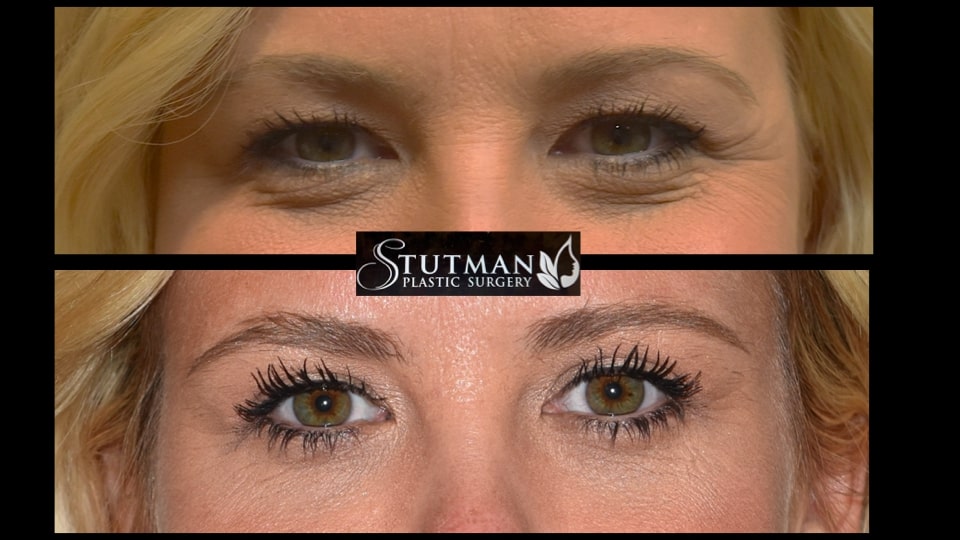
Individual results may vary.
View the galleryWhat Happens During Blepharoplasty Surgery
Before the procedure, you will be given medications that help keep you comfortable and reduce discomfort. You and board-certified plastic surgeon Dr. Ross Stutman will discuss using intravenous sedation or general anesthesia during your preparation before your blepharoplasty surgery in Scottsdale. Once you have received the medication, your surgeon will begin making incisions.
The incisions are designed so the resulting healed tissue is well concealed within the natural structures of your eyelids. You may choose to have an upper or lower eyelid procedure done or both. The upper eyelid is corrected using an incision in the natural crease on the eyelid. This allows Dr. Stutman to remove or reposition fat deposits and remove excess skin.
On the lower eyelid, an incision is made just below the lower lash line, so the surgeon can remove excess fat and skin. An alternative is to make an incision inside the lower eyelid to correct lower eyelid conditions. However, when using this technique, no excess skin is removed. The eyelid incisions are closed with either sutures or skin glue.



What Should I Ask Dr. Stutman?
While this is a relatively simple outpatient procedure, there are several questions you will want to consider during your consultation, including:
- Am I a good candidate for the procedure?
- What do I have to do after surgery to get the best results?
- What surgical technique do you recommend for me?
- How long do you expect my recovery to last?
- What are the potential risks associated with a blepharoplasty?
- How do you handle complications?
- Tell me about how my eyes are going to look during recovery.
- How long can I expect the results to last?
- Can I see before and after photos of blepharoplasty procedures?
These questions help you make the best decision and set realistic expectations of what the surgery can accomplish.
Learn More About Blepharoplasty Preparation and Surgery in Scottsdale
Excess fatty deposits and sagging tissue do not always impair vision but can make you look older and chronically tired.
A blepharoplasty can refresh and rejuvenate your appearance, making you look younger and more alert. Contact us today to schedule your consultation and learn more about blepharoplasty preparation and surgery in Scottsdale.

Why patients choose Dr. Stutman for blepharoplasty preparation and surgery
- Board certified
- Certified by the American Board of Plastic Surgery and a member of the American Society of Plastic Surgeons.
- Fellowship trained
- Oculoplastic and aesthetic surgery fellowship with Dr. Mark Codner in Atlanta.
- Published research
- Peer-reviewed research in aesthetic and reconstructive plastic surgery, indexed in PubMed.
- One surgeon throughout
- Dr. Stutman sees you at consultation, performs your procedure and follows your recovery.
Blepharoplasty Preparation and Surgery
FAQs
- What medications should I stop before eyelid surgery?
- Do I need to stop smoking before blepharoplasty?
- Will I be awake during eyelid surgery?
- Can I wear contact lenses on the day of eyelid surgery?
- How should I prepare my home before blepharoplasty?
- Will Dr. Stutman decide whether I have IV sedation or general anesthesia?
- Will Dr. Stutman remove or reposition my eyelid fat?
What medications should I stop before eyelid surgery?
Before eyelid surgery you will usually be asked to stop aspirin, ibuprofen, naproxen, and herbal supplements such as fish oil and vitamin E, because they can increase bleeding and bruising. Give your surgeon a complete list of everything you take, including vitamins. Dr. Stutman's office will tell you exactly what to stop and when, so follow those instructions rather than general lists.
Do I need to stop smoking before blepharoplasty?
Yes, you must stop smoking before and after blepharoplasty. Nicotine narrows blood vessels and reduces blood flow, which slows healing and raises the risk of wound problems and more noticeable scarring. Dr. Stutman's office will tell you how far ahead to quit and how long to stay nicotine free afterward. Being honest about smoking at your consultation keeps your plan safe.
Will I be awake during eyelid surgery?
You do not have to be fully awake for eyelid surgery. Blepharoplasty is commonly done with IV sedation, which keeps you relaxed and drowsy while the area is numbed, or with general anesthesia, where you are fully asleep. You will also receive medication beforehand to keep you comfortable. Dr. Stutman will discuss which option fits your procedure and health.
Can I wear contact lenses on the day of eyelid surgery?
No, do not wear contact lenses on the day of eyelid surgery. Your eyes and eyelids need to be free of lenses during the procedure and while ointment is applied afterward. Bring your glasses and a case so you can read forms and see clearly on the way home. Ask the office if you have questions about wearing your glasses after surgery.
How should I prepare my home before blepharoplasty?
Set up a quiet resting spot at home where you can keep your head elevated, including while you sleep, since elevation helps control swelling. Fill your prescriptions ahead of time, stock easy meals, and keep ice packs or cold compresses, clean washcloths, and eye drops within reach. Arranging help with childcare, pets, and errands lets you rest without strain.
Will Dr. Stutman decide whether I have IV sedation or general anesthesia?
Dr. Stutman makes that decision with you, choosing between IV sedation and general anesthesia based on whether you are having upper, lower, or combined eyelid surgery, your medical history, and your comfort level. You will review the anesthesia plan before surgery day. Tell him about any past reactions to anesthesia, sleep apnea, or other health conditions.
Will Dr. Stutman remove or reposition my eyelid fat?
It depends on your anatomy. During upper eyelid surgery, Dr. Stutman may remove or reposition fat in addition to removing excess skin, and lower eyelid surgery can also involve fat removal. The right choice depends on whether you have bulging fat, hollowing, or both. He will explain which approach he recommends for your eyelids at your consultation.

Consultation
Begin with a conversation
Your consultation is a private conversation with Dr. Stutman about your goals, your questions, and the options that suit you.
(602) 853-4646Contact pageRequest a consultation
Tell us a little about what you are considering and our team will call you to arrange your visit.
Request a ConsultationPrefer to talk? Call (602) 853-4646