


Liposuctionin Scottsdale, Arizona
If you’ve been struggling with stubborn fat deposits that won’t budge despite diet and exercise, liposuction could be the solution you’ve been searching for. This body contouring procedure targets areas of fat that are resistant to traditional weight-loss methods, helping you achieve a more sculpted and defined appearance.
Achieve a More Toned and Contoured Figure with Liposuction
If you’ve been struggling with stubborn fat deposits that won’t budge despite diet and exercise, liposuction could be the solution you’ve been searching for. This body contouring procedure targets areas of fat that are resistant to traditional weight-loss methods, helping you achieve a more sculpted and defined appearance. Whether it’s love handles, a double chin, or fat in the thighs, liposuction can help you regain confidence in your body.
Before & after
Liposuction before & after
Actual patients of Dr. Stutman
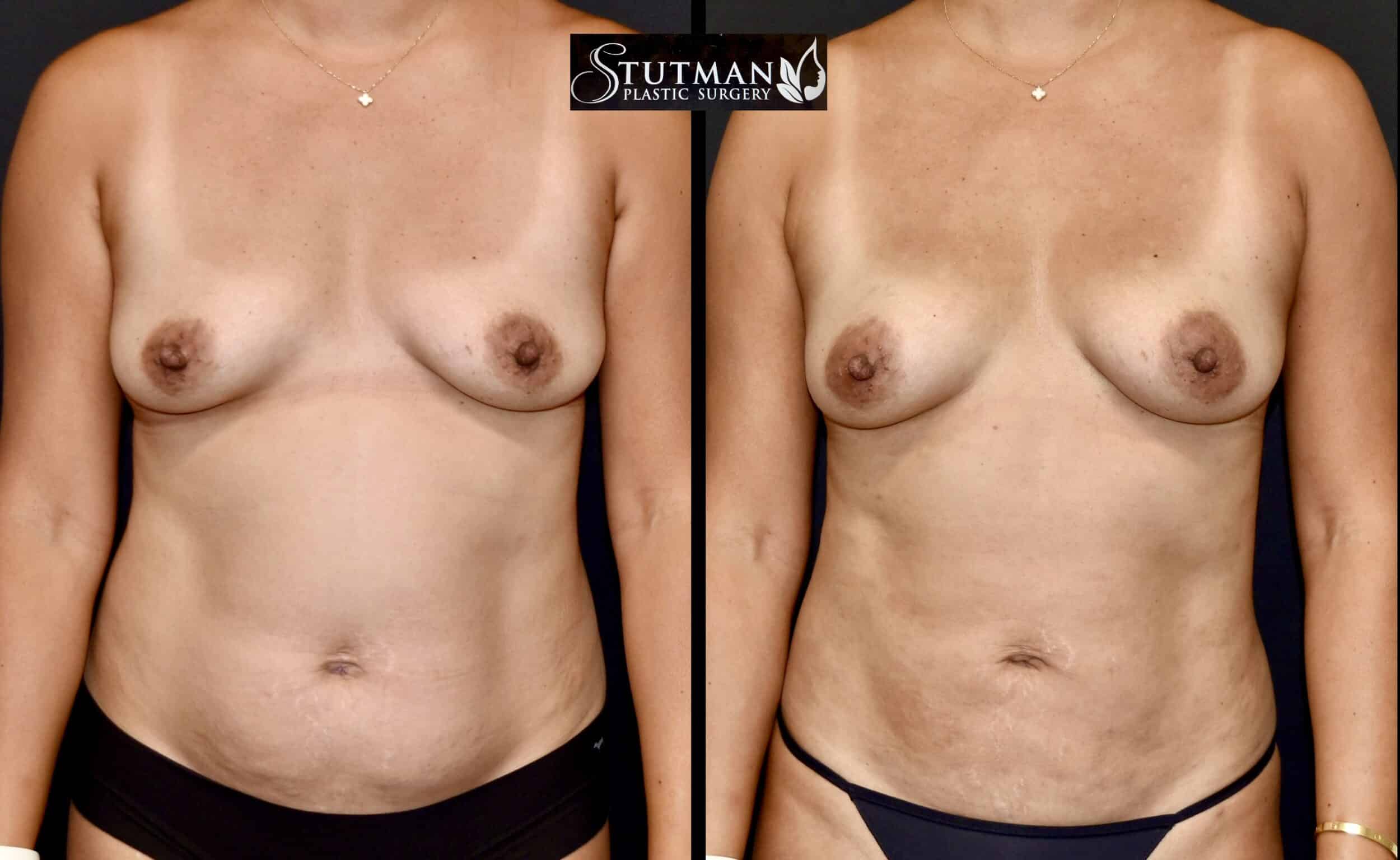


Individual results may vary.
View the galleryWhat is Liposuction?
Liposuction is a cosmetic surgery that removes excess fat from specific areas of the body to create a smoother, more toned profile. It’s important to note that liposuction is not a weight loss surgery but rather a contouring procedure designed to target stubborn fat pockets that don’t respond to diet or exercise. While liposuction improves body contours, it does not address excess skin, which may require additional treatments.



Goals of Liposuction
The primary goal of liposuction is to reshape the body by removing localized fat deposits. Whether you’re looking to contour the abdomen, thighs, flanks, or arms, liposuction offers a targeted solution for fat that resists all other methods. However, it’s important to have realistic expectations-liposuction won’t replace weight loss or address skin sagging, and it’s best suited for those already at a healthy weight.
Who is a Good Candidate for Liposuction?
The ideal candidate for liposuction is someone who:
- Is at or near a healthy, stable weight
- Has areas of stubborn fat that won’t improve with diet and exercise
- Has good skin elasticity (important for avoiding sagging after fat removal)
If you’re significantly overweight, we recommend reaching your target weight before undergoing liposuction for the best possible results. Liposuction is most effective when performed on individuals who are already at a healthy weight but need help targeting specific trouble areas.

How Liposuction Works
Liposuction is typically performed under general or local anesthesia. Here’s an overview of the procedure:
- Tumescent Fluid Injection: Before removing fat, a special fluid is injected into the treatment area. This fluid numbs the area, constricts blood vessels to minimize blood loss, and makes fat removal easier.
- Fat Removal: Small incisions are made, and a thin tube (called a cannula) is inserted to break up and suction out the unwanted fat.
- Post-Surgery Garment: After the procedure, you’ll be fitted with a compression garment to help with swelling and promote proper healing. This garment should be worn for several weeks to ensure optimal results.
The procedure typically takes 1 to 3 hours, depending on the treatment area.

The Recovery Process
After your liposuction procedure, you’ll spend a couple of hours in the recovery room before heading home. Here’s what to expect:
- First Few Days: Expect swelling, bruising, and some discomfort around the treated areas. Pain medication will be prescribed to manage any discomfort.
- Returning to Work: Most patients are able to return to work within a few days, but you may need to limit physical activity.
- Full Recovery: It typically takes 6 weeks to fully recover from liposuction. Swelling and bruising will gradually subside, and you’ll begin to see the final results of your treatment.

Potential Shortcomings of Liposuction
While liposuction can dramatically improve your body shape, it’s important to understand that it does not remove excess skin. In some cases, especially for heavier individuals or those with loose skin, additional treatments (like a tummy tuck) may be necessary to achieve the desired aesthetic. Results may also vary, and some patients may experience contour irregularities or asymmetry.

Risks of Liposuction
As with any surgery, liposuction carries some risks, including:
- Bleeding (hematoma)
- Contour irregularities or asymmetry
- Seroma (fluid buildup beneath the skin)
- Infection
- Numbness or changes in sensation
- Blood clots
- Delayed healing
In rare cases, general anesthesia may pose additional risks, so it’s crucial to choose an experienced surgeon who can mitigate these potential complications.
Why Choose Stutman Plastic Surgery?
Dr. Ross Stutman, a board-certified plastic surgeon known for his experience and expertise, leads the team at Stutman Plastic Surgery. He is one of the few surgeons in the U.S. to complete an Oculoplastic and Aesthetic Surgery Fellowship with the renowned Dr. Mark Codner in Atlanta. He is known for providing unparalleled care and transformative results.
Located in Old Town Scottsdale next to the Honor Health Osborn campus, Stutman Plastic Surgery is easily accessible to patients. With a wealth of experience and dedication to enhancing your look, Dr. Stutman is here to help you achieve your aesthetic goals.

Why patients choose Dr. Stutman for liposuction
- Board certified
- Certified by the American Board of Plastic Surgery and a member of the American Society of Plastic Surgeons.
- Fellowship trained
- Oculoplastic and aesthetic surgery fellowship with Dr. Mark Codner in Atlanta.
- Published research
- Peer-reviewed research in aesthetic and reconstructive plastic surgery, indexed in PubMed.
- One surgeon throughout
- Dr. Stutman sees you at consultation, performs your procedure and follows your recovery.
Liposuction
FAQs
- How Long Does the Liposuction Procedure Take?
- Are There Any Dietary Recommendations To Follow Before and After the Surgery?
- Will Liposuction Help With Cellulite Reduction?
- How Can I Maintain the Results of My Liposuction?
- Does fat come back after liposuction?
- Is liposuction a way to lose weight?
- Is liposuction safe?
- Will I have loose skin after liposuction?
- Does liposuction hurt?
- Is Dr. Stutman board certified to perform liposuction?
How Long Does the Liposuction Procedure Take?
The duration of a liposuction procedure varies depending on several factors, including: On average, small areas (such as the chin or arms) take 1-2 hours. Larger areas (such as the abdomen, thighs, or several locations combined) may last 3-4 hours or longer. During your consultation, Dr. Stutman will provide a more accurate estimate.
Are There Any Dietary Recommendations To Follow Before and After the Surgery?
Follow these dietary recommendations before and after liposuction. They can enhance your results and recovery.
Will Liposuction Help With Cellulite Reduction?
Liposuction removes fat deposits and contours the body. However, cellulite results from structural issues in the skin and connective tissue, not just excess fat. Cellulite results from fibrous bands pulling the skin down, fat pushing up against the skin, and skin thinning over time. The liposuction surgery targets deeper fat layers but does not address the fibrous bands or skin texture. If cellulite reduction is your goal, consider combining liposuction with treatments like Cellfina. Dr. Stutman can also recommend a tailored plan to address excess fat and cellulite.
How Can I Maintain the Results of My Liposuction?
Maintaining your liposuction results requires a commitment to a healthy lifestyle. The surgery removes fat cells permanently. However, weight gain can still occur in untreated areas. Along with eating a nutritious diet, here are some other tips to help you sustain your results:
Does fat come back after liposuction?
The fat cells removed during liposuction do not grow back, so the treated area keeps its new shape as long as your weight stays stable. If you gain a significant amount of weight later, the fat cells that remain can still enlarge, and new fat may collect in areas that were not treated.
Is liposuction a way to lose weight?
No. Liposuction is a contouring procedure for stubborn pockets of fat that do not respond to diet and exercise, not a weight loss treatment. The best candidates are at or near a healthy, stable weight, have good skin elasticity, and want to refine a specific area rather than lower the number on the scale.
Is liposuction safe?
Liposuction is generally considered safe when a board certified plastic surgeon performs it on a healthy, well-selected patient. Like any surgery, it carries risks, including bleeding, infection, fluid buildup called seroma, numbness, contour irregularities, blood clots, and delayed healing. Your surgeon should review your health history and medications to lower those risks before scheduling.
Will I have loose skin after liposuction?
It depends on your skin elasticity. Skin with good elasticity usually shrinks to fit the new contour after fat is removed, but liposuction does not remove or tighten excess skin. If your skin is already loose, for example after major weight loss or pregnancy, a skin removal procedure such as a tummy tuck may give a better result.
Does liposuction hurt?
You should not feel pain during the procedure, because it is done under general or local anesthesia and a tumescent fluid numbs the area. Afterward, soreness, swelling, and bruising are normal, especially at first. Many patients compare it to a deep muscle ache, and prescribed pain medication helps you through the early part of recovery.
Is Dr. Stutman board certified to perform liposuction?
Yes. Dr. Stutman is certified by the American Board of Plastic Surgery and is a member of the American Society of Plastic Surgeons. Board certification in plastic surgery means a surgeon has completed accredited surgical training and passed rigorous exams, which is worth confirming for any liposuction surgeon you consider.

Consultation
Begin with a conversation
Your consultation is a private conversation with Dr. Stutman about your goals, your questions, and the options that suit you.
(602) 853-4646Contact pageRequest a consultation
Tell us a little about what you are considering and our team will call you to arrange your visit.
Request a ConsultationPrefer to talk? Call (602) 853-4646
